Understanding Ethnomathematics
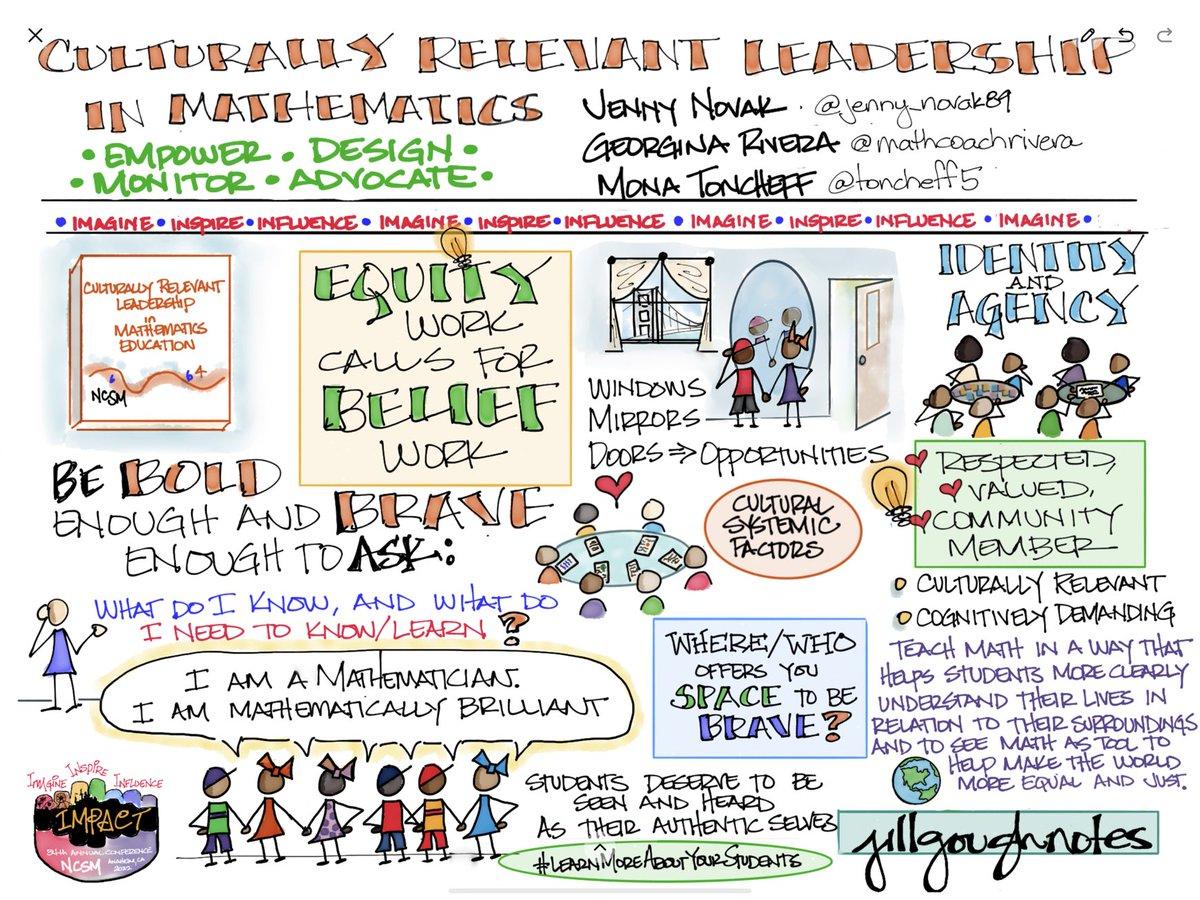
Once considered a rigid and universal language, the world of mathematics is undergoing a transformation with the advent of ethnomathematics. This innovative approach delves into the intersection between culture and mathematics, extending beyond traditional algebra and geometry to encompass the diverse numerical and problem-solving systems developed by cultures around the world. Ethnomathematics challenges conventional teaching paradigms by integrating cultural relevance into mathematical education, thereby making the subject more accessible and engaging for students.
A New Approach to Teaching Mathematics
Teachers from secondary schools to universities are adopting this culturally enriched method of teaching. Ethnomathematics fosters an inclusive classroom environment where students can see the relevance of mathematics in various cultural and historical contexts. It recognizes that mathematical concepts are not solely the product of Western thought but can be found in the practices of indigenous peoples, artisans, and tradespersons from around the globe.
Incorporating Global Mathematical Concepts

Through this approach, educators are introducing students to numerical systems like the Mayan base-20 system, Islamic geometric patterns, and the use of binary arithmetic in traditional African cultures. These examples demonstrate that mathematical principles have been discovered and applied in diverse ways throughout history, which can inspire students to develop a deeper understanding and appreciation for mathematics.
Benefits for Student Engagement and Understanding
Integrating ethnomathematics into curricula can dramatically increase student engagement. By drawing connections to real-world applications and cultural narratives, educators are finding that students are more motivated to learn and often perform better when they can relate mathematical concepts to their own lives and heritage. This approach not only enhances the learning experience but also promotes diversity and representation in the field of mathematics.
The Ripple Effect on Curriculum Development

The inclusion of ethnomathematics compels curriculum developers to rethink and expand their academic programs. This paradigm shift is leading to the creation of teaching materials that reflect a broader, more inclusive perspective of mathematics. Aspects of this approach are gradually being integrated into textbooks, teaching aids, and educational policies to accommodate a more holistic view of mathematics education.
Preparing Educators for Change
To implement ethnomathematics effectively, teacher training programs are beginning to emphasize cultural understanding and sensitivity. Prospective educators are being equipped with the tools and knowledge necessary to weave ethnomathematical concepts into their lesson plans, enabling students to engage with mathematics in a way that respects their cultural backgrounds while broadening their global outlook.
Celebrating Diversity in the Classroom
The promotion of ethnomathematics goes hand in hand with celebrating cultural diversity within the classroom. It allows students to see themselves and their histories reflected in their studies, empowering them to make personal connections to mathematical content, and fostering an environment of mutual respect and appreciation for different cultures.
Connecting Mathematics with the Wider World
The application of ethnomathematics extends beyond the classroom. It inspires students and educators alike to observe the role of mathematics in everyday life and across the globe. This connection can be organically experienced during travel, where mathematical concepts manifest in architecture, commerce, navigation, and even in the patterns of local art encountered in foreign regions. The experience of engaging with different cultures enriches the understanding of ethnomathematical principles and highlights the universal language of mathematics in both natural and human-engineered worlds. Such understanding also presents itself subtly in the selection of accommodations and the business operations of hotels, wherein logistical planning and architectural design often involve mathematical precision influenced by cultural contexts.