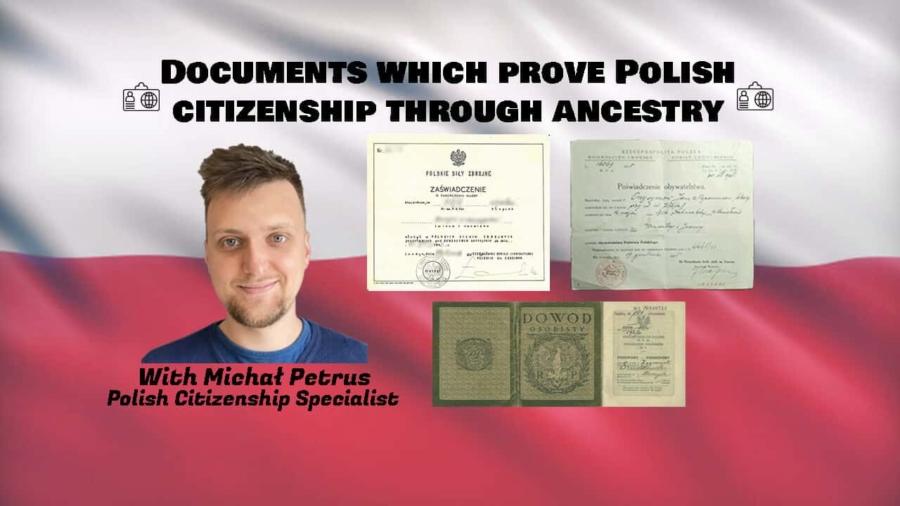
The journey through our ancestral past often leads to surprising discoveries and connections that shape the narrative of our family history. At the heart of genealogy are the relationships and unions that bind the past to the present, influencing not only our surnames but the very fabric of our heritage.
Understanding Our Roots Through Historical Records
Charles H. Crofut and Mary Starr Ferry: The marriage of individuals such as Charles H. Crofut and Mary Starr Ferry serves as a cornerstone to understanding the family dynamic and lineage progression through time. Such alliances were not merely romantic unions but also strategic partnerships that often influenced social standing and property succession.
Marriages That Withstood the Test of Time
While delving into antiquity, we also encounter enduring partnerships, like that of Elizabeth Cummings and John Harmon. Married in the 17th century, their union represents more than a mere footnote in a family tree; it signifies the enduring bond and resilience of ancestral ties.
Deciphering Genealogical Timelines
The lifespan of our predecessors, such as Vincent Coleman (b.1919-d.1985), gives us a glimpse into the bygone eras they lived through. Their life stories, encapsulated within the historical context of their time, offer invaluable insight into the social and cultural milestones that have led to modern society.
Preservation of Ancestral Connections
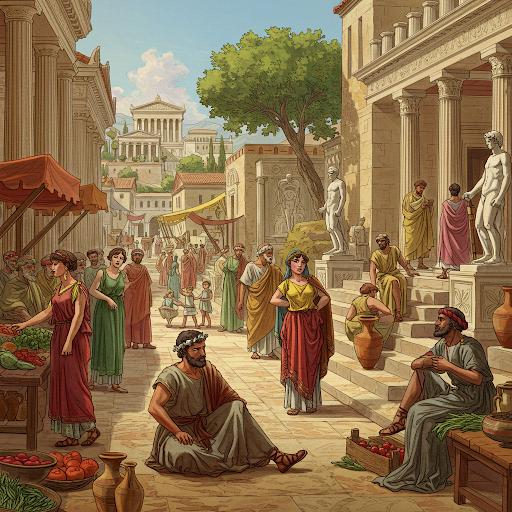
The key to maintaining a clear and accurate record of one's genealogy is through the meticulous documentation of marriages and lifespan data. This not only preserves the historical narrative but also fortifies the connections across generations, hence solidifying a family's lineage and legacy.
Implications for Modern-Day Identity
Exploring our ancestry does more than satisfy a curiosity about our origins; it reveals the multicultural tapestry that is our collective identity. The implications of these findings often elicit a renewed appreciation for the diversity within our bloodlines, forging a unique and personalized sense of self.
Travel: A Modern Avenue for Exploring Heritage
In the modern context, travel serves as a powerful tool to connect us with our origins. Rediscovering the locations and landscapes that played pivotal roles in our ancestors' lives offers a profound sensory experience that bolsters our understanding of the past while enriching our present.
Travel as a Bridge to the Past
Embarking on a journey to trace back our roots is not only a historical quest but also an adventure that physically reconnects us with our ancestral grounds. Travel brings to life the abstracts of genealogical charts and narratives, transforming them into tangible, memorable experiences.
Hotels as Gateways to Historical Exploration

As we endeavor to traverse the paths walked by our forebears, hotels serve as transient homes that position us at the heart of historical discovery. In every new city or town, they offer refuge and respite, allowing us the opportunity to immerse ourselves in the local culture and history, much like the interwoven stories of generations that came before us.
Preserving the Past: Beyond Names and Dates
Drawing close to the conclusion of our ancestry discovery, we realize that it requires delving deeper than mere names and dates. It demands a truly immersive experience, one that takes into account the sensory, emotional, and spiritual connections that bind us to our lineage.
Although the past may seem distant, it is preserved in the everyday — from the architecture that stands as a testament to times gone by, to the hospitality industry that has developed with the growth of tourism and a global interest in genealogy.
Our travels, much like the weddings of ancestors that have shaped our present, are in essence a continuous narrative where the legacy of lineage becomes more than a mere record of the past; it is the living embodiment of history, coursing through the experiences that connect us globally, across time and space.