Who Was Lawrence de Lancaster?
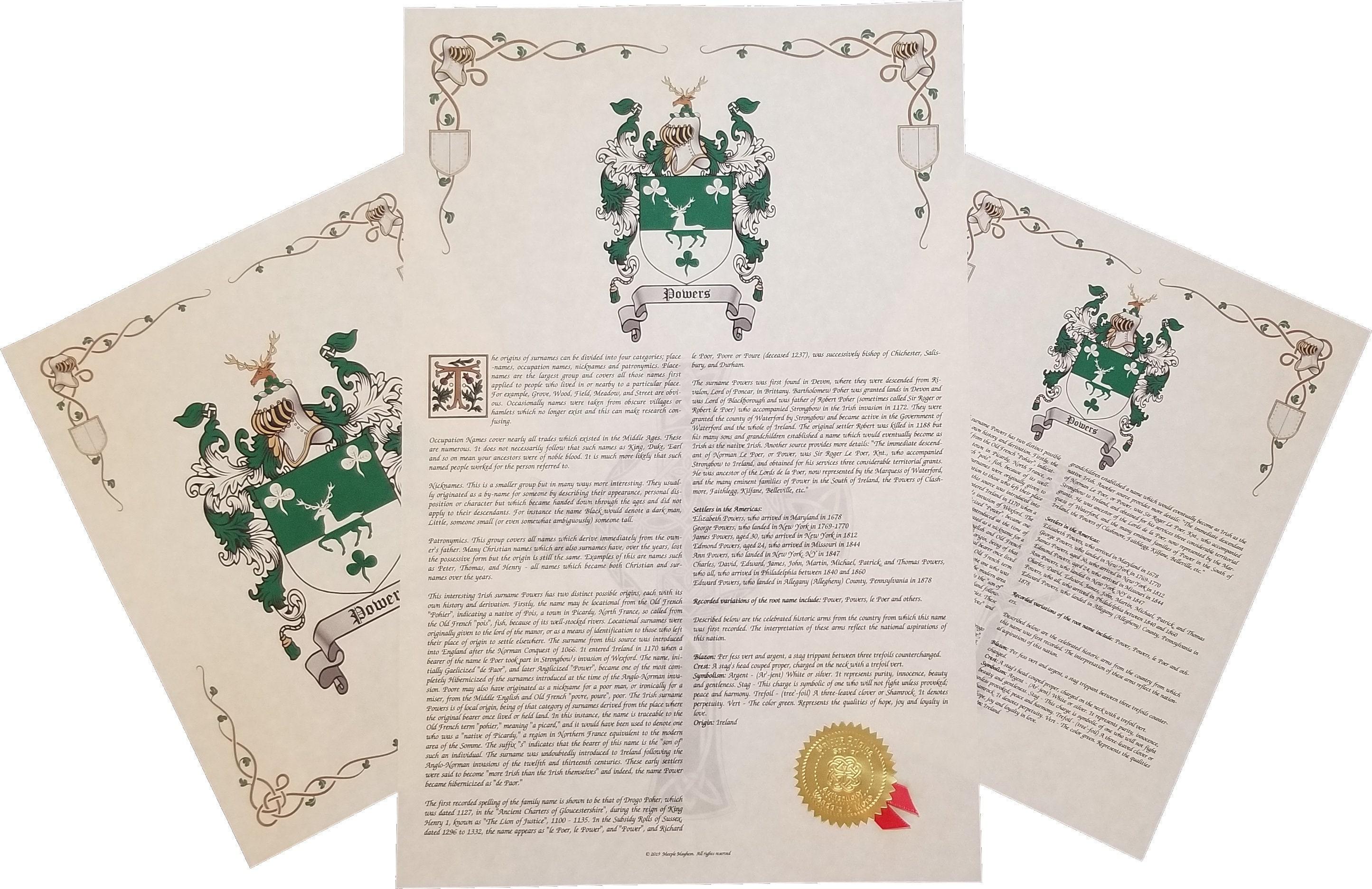
Lawrence de Lancaster, estimated to have been born around 1250, holds a significant place in the history of the Lawrence family lineage. His existence is attested to by his actions after 1317, as he emerges in historical records as a pivotal member of the family. Though the roots of the family tree first appear in legal documents from 1292, Lawrence's claim to land in Skerton set a solid foundation for what was to become a longstanding familial legacy.
The Land and Titles of Lawrence
As the brother and heir to John, who was the son of Thomas, son of Roger de Lancaster, Lawrence de Lancaster's claim to land in Skerton was not without its challenges. Records from 1292 reflect disputes over land which he held in dower rights. These legal entanglements, however, did not prevent Lawrence from obtaining and administrating vast lands. The records from 1297 elaborate on his holdings and connections, including the three free tenants of Lune Mill: Lawrence himself, the Abbot of Furness, and Alan de Parles.
The Family Name Evolves

It was during Lawrence's time that the family name underwent a transformation, transitioning from de Lancaster to simply "Lawrence". The spelling of the surname varied in early records, with iterations such as Laurens, Laurenz, or Laurence. However, his children—John, William, and Alice—uniformly adopted the Lawrence surname in their dealings.
The Children of Lawrence de Lancaster
John Lawrence
John Lawrence, born around 1275, carried on the paternal titles and properties, further cementing the family name in regional history.
William Lawrence: A Pivotal Descendant
William Lawrence's life and marriages had significant influence on the family fortunes. His union with Alice de Cuerdale brought the manor of Ribbleton into the family through dower rights. William's role as a Member of Parliament and Steward to the Earl of Lancaster underscores the growing political prominence of the Lawrence family. His partnerships and familial strategies were evident in the settlements of their estate in 1354, leading to intricate inheritance arrangements.
Alice Lawrence: The Spinster of the Family
Alice Lawrence, choosing never to marry, led a life of independence at Ashton Hall. Her acquisitions, including a modest parcel of land, were modest yet meaningful in the family's expansion.
The Impact on History and Heritage
The expansive history of the Lawrence family, spanning generations and involving complex inheritances, reflects the intricate social and political fabric of the time. Each family member, from Lawrence de Lancaster to his descendants, contributed to the tapestry of their times, with their actions leaving an indelible mark on the landed gentry of their era.
Connecting Heritage with Travel Experiences
The Lawrence family's rich historical tapestry offers an intriguing journey for those interested in familial history and the evolution of surnames. Exploring the grounds and areas where they once held sway, like Skerton and Ribbleton, can provide a tangible connection to the past. The current generations, avid in research and seeking connections to their ancestry, can find a memorable experience visiting these historic sites. Their stays, while learning about their progenitors, would be enhanced by the comfort and amenities of local hospitality, as they uncover the layers of their multifaceted heritage and continue to write the ongoing narrative of their family history.